Cloud HRMS Benefits

Introduction
Businesses today are moving rapidly toward digital transformation, and Human Resource Management is one of the most important areas being modernized. Traditional HR systems that rely on manual processes, paperwork, and local servers are becoming outdated. Companies now prefer flexible, scalable, and remote-friendly HR solutions that can improve workforce management and reduce operational complexity.
This is where Cloud HRMS becomes highly valuable.
A Cloud HRMS (Human Resource Management System) is an online HR software solution hosted on cloud servers that allows businesses to manage HR operations from anywhere using the internet. It helps organizations automate HR tasks such as payroll, attendance, leave management, recruitment, employee records, and performance tracking through a centralized digital platform.
Cloud HRMS solutions are becoming increasingly popular among startups, small businesses, SMEs, and large enterprises because they offer flexibility, cost savings, scalability, and better employee experiences.
In this guide, we will explore the major benefits of Cloud HRMS and why companies are adopting cloud-based HR solutions in 2026.
What is Cloud HRMS?
Cloud HRMS is web-based HR software hosted on remote cloud servers instead of local company servers.
Employees and HR teams can access the system through:
- Web Browsers
- Mobile Applications
- Employee Self-Service Portals
Cloud HRMS automates and manages:
- Employee Attendance
- Payroll Processing
- Leave Management
- Recruitment
- Employee Records
- Performance Management
- HR Analytics
- Compliance Management
Since the software is hosted online, businesses do not need expensive infrastructure or in-house server management.
Top Benefits of Cloud HRMS
Access from Anywhere
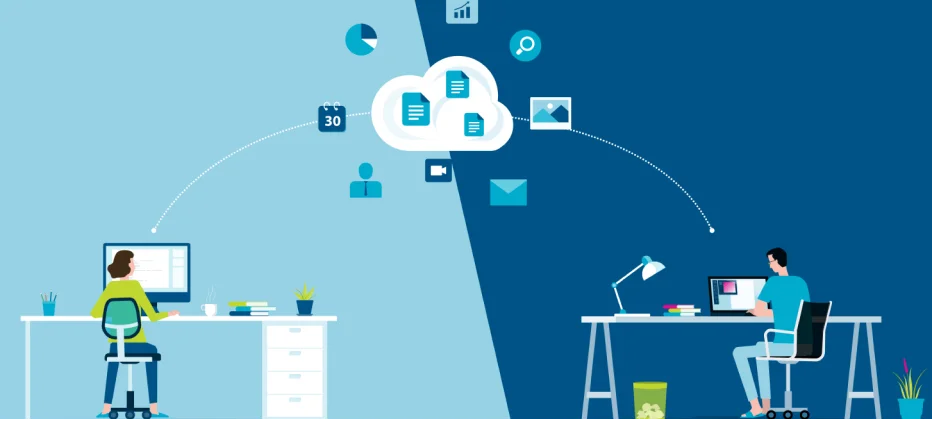
One of the biggest benefits of Cloud HRMS is remote accessibility.
Employees and HR managers can access the system anytime from:
- Office
- Home
- Remote Locations
- Mobile Devices
This is especially important for:
- Remote Teams
- Hybrid Work Models
- Multi-Location Businesses
- Field Employees
Cloud HRMS supports modern work environments efficiently.
Cost-Effective Solution
Traditional HR software requires:
- Expensive Servers
- IT Infrastructure
- Hardware Maintenance
- Software Installation
Cloud HRMS eliminates these costs because the software is hosted online.
Businesses can reduce expenses related to:
- Server Maintenance
- IT Staff
- Software Upgrades
- Data Storage
Most cloud HRMS platforms offer subscription-based pricing, making them affordable for startups and SMEs.
Easy Implementation
Cloud HRMS systems are easier and faster to implement compared to traditional on-premise software.
Businesses can:
- Create Accounts
- Configure HR Settings
- Add Employees
- Start Operations Quickly
There is no need for complex installation or infrastructure setup.
Automatic Software Updates
Cloud-based HRMS providers regularly update the software automatically.
This ensures businesses always have:
- Latest Features
- Security Updates
- Compliance Updates
- Performance Improvements
Companies do not need to manage updates manually.
Improved Data Security
Employee data is highly sensitive and requires strong security protection.
Cloud HRMS platforms use advanced security technologies such as:
- Data Encryption
- Secure Cloud Storage
- Multi-Factor Authentication
- Role-Based Access Control
- Automatic Backup Systems
This improves data protection and minimizes the risk of data loss.
Centralized Employee Data
Cloud HRMS stores all employee information in one centralized database.
This includes:
- Employee Profiles
- Attendance Records
- Payroll Information
- Leave Data
- Documents
- Performance Reports
Centralized data management improves accessibility and organization.
Better Payroll Management
Cloud HRMS automates payroll processing based on:
- Attendance
- Working Days
- Leave Records
- Overtime
- Bonuses
- Tax Deductions
The system generates:
- Payslips
- Tax Reports
- Payroll Summaries
This reduces payroll errors and improves efficiency.
Simplified Attendance Management
Cloud HRMS integrates with:
- Biometric Devices
- Mobile Attendance Apps
- GPS Tracking
- Face Recognition Systems
It automatically tracks:
- Employee Attendance
- Working Hours
- Late Entries
- Overtime
- Shift Schedules
Real-time attendance tracking improves workforce management.
Employee Self-Service Portal
Modern cloud HRMS solutions include employee self-service portals where employees can:
- Apply for Leave
- Download Payslips
- Check Attendance
- Update Personal Information
- Access Company Policies
This reduces HR workload and improves employee experience.
Supports Business Scalability
As businesses grow, managing HR operations manually becomes difficult.
Cloud HRMS can easily scale according to:
- Number of Employees
- Business Locations
- HR Requirements
- Organizational Growth
Companies can add users and modules without major infrastructure changes.
Real-Time Reporting & Analytics
Cloud HRMS generates real-time reports and analytics for management teams.
Reports include:
- Attendance Reports
- Payroll Reports
- Employee Performance Reports
- Leave Reports
- Workforce Analytics
These insights help businesses make better strategic decisions.
Better Collaboration & Communication
Cloud HRMS improves communication between:
- HR Teams
- Employees
- Managers
- Departments
Automated notifications and centralized communication systems improve workflow efficiency.
Reduced Paperwork
Conventional HR software depends on a significant amount of paperwork.
Cloud HRMS digitizes:
- Employee Records
- Leave Applications
- Payroll Documents
- HR Policies
- Reports
This creates a paperless HR environment.
Compliance Management
Cloud HRMS helps businesses comply with labor laws and tax regulations by automating:
- PF Management
- ESI Calculations
- TDS Deductions
- Attendance Compliance
- Overtime Rules
Automated compliance reduces legal risks and penalties.
Better Employee Experience
Employees expect fast and digital HR services.
Cloud HRMS improves employee satisfaction by providing:
- Quick HR Access
- Mobile Accessibility
- Self-Service Features
- Transparent Payroll
- Faster Leave Approvals
A better employee experience improves retention and engagement.
- Features of Cloud HRMS : Modern cloud HRMS platforms include advanced features such as:
- Employee Management : Centralized employee database and records.
- Payroll Automation : Automated salary and tax calculations.
- Attendance Tracking : Biometric and mobile attendance management.
- Leave Management : Online leave applications and approvals.
- Recruitment Management : Hiring and onboarding automation.
- Performance Management : Employee appraisal and KPI tracking.
- Mobile App Access : HR services accessible through smartphones.
- Analytics Dashboard : Real-time HR insights and reports.
Cloud HRMS for Small Businesses
Advantages of implementing the HRMS system in the cloud for small companies are:
- Reduces HR workload
- Saves operational costs
- Automates payroll and attendance
- Supports business growth
- Improves employee management
Cloud HRMS will be a much more appropriate tool for start-up and smaller firms as initially they won’t require much resource.
Industries Using Cloud HRMS
Cloud HRMS is widely used across industries such as:
- Information Technology
- Manufacturing
- Healthcare
- Education
- Retail
- Banking
- Hospitality
- Construction
- Logistics
All the organizations can benefit from the cloud HR automation tool.
Future of Cloud HRMS
Developing cloud HRMS system depends upon the following advanced technologies:
- Artificial Intelligence (AI)
- Machine Learning
- Predictive Analytics
- Face Recognition
- Mobile Workforce Management
- Chatbot-Based HR Support
Advanced future HRMS systems will have more intelligent automation tools and enhanced user experiences.
How to Choose the Best Cloud HRMS
Prior to choosing cloud HRMS software, companies must take into account:
Key Considerations
- Usability: The software must be easy to use.
- Data Security: The software must have robust data security measures.
- Mobility: Employees must have access to HR services via their mobile phones.
- Integration : The software must integrate with payroll and attendance management software.
- Scalability : The software must accommodate future growth in the company’s operations.
- Customer Service: Customer service is necessary to facilitate effective HR processes.
Conclusion
The Cloud HRMS system is changing the approach to managing human resources in organizations. It offers automation in HR processes, better management of employees, cost-saving solutions, and a working environment for remote workers.
This system includes everything from payroll to recruitment services, and all these processes are performed more effectively and efficiently using Cloud HRMS.
Cloud HRMS is useful regardless of whether you run a start-up, small, or large company. With the development of technology in 2026, it will become an integral part of HR processes.